A well built driveway or private lane is more than a path to the house. It affects first impressions, dust and mud control, vehicle wear, and routine maintenance time. For many homeowners and landowners, the choice used to be fairly binary: gravel if the budget was tight, full hot mix asphalt if the budget allowed. Over the last decade, chip seal has moved from county roads and ranch lanes into the residential conversation, filling the gap between loose aggregate and traditional asphalt paving. The interest is not just about cost. It reflects how chip seal behaves under light to moderate traffic, how it looks, and how it can be repaired without ripping out the entire surface.
What chip seal actually is
Chip seal, also called tar and chip, is a surface treatment where a liquid asphalt binder is sprayed over a prepared base, then covered with a uniform layer of clean, angular aggregate. A roller seats the rock into the binder, and the lane is swept after the binder sets. That is the entire concept in a sentence, but there are many choices inside that simple sequence.
Contractors typically use asphalt emulsion binders for residential work, which are easier to handle than hot cutbacks. Emulsions can be standard grades or polymer modified for improved elasticity and chip retention. Aggregate size for driveways usually falls between 3/8 inch and 1/2 inch. Smaller chips give a tighter, smoother feel underfoot and under tire, but larger chips lock in more aggressively on hills and curves.
Unlike full depth asphalt paving, chip seal is a relatively thin surface. Think in terms of a quarter inch to half inch of embedded stone on top. It relies on a sound, well compacted base to perform. If the base is weak or wet, chip seal will telegraph those issues quickly.
Why homeowners are asking for it
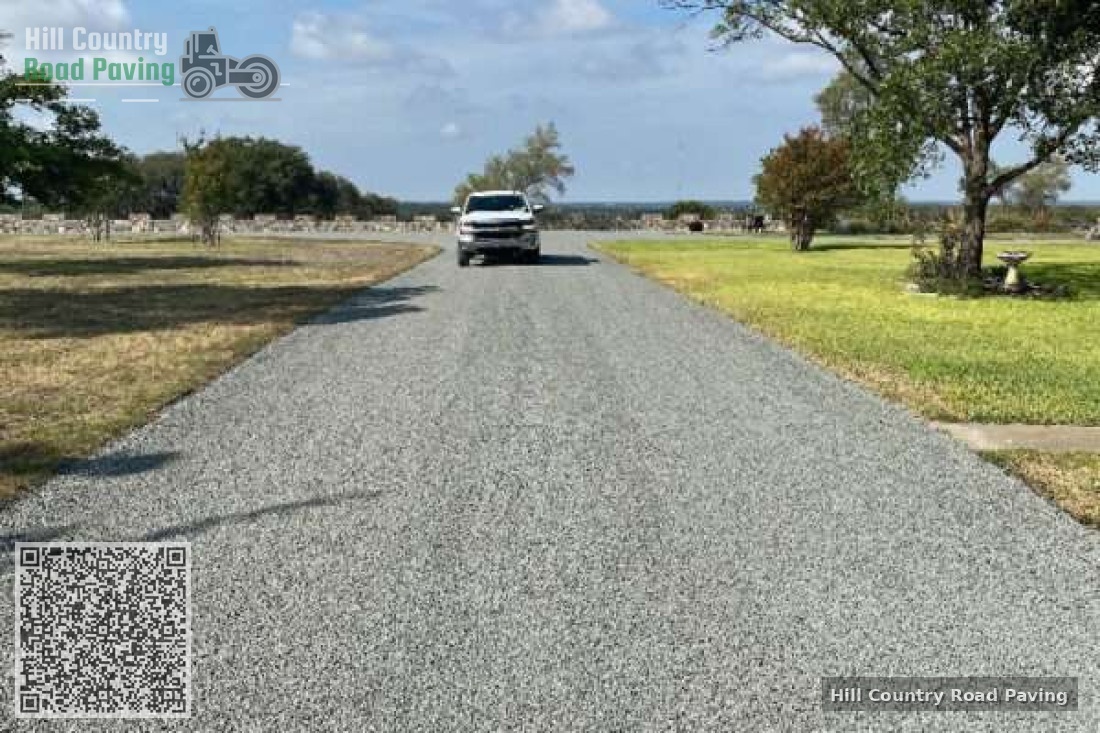
Cost is the opening act. Chip seal often lands at 35 to 60 percent of the price of a comparable hot mix asphalt driveway, depending on region, haul distances, and oil prices. On a 600 foot private lane that can mean thousands saved. But the conversation usually continues after the estimate. People see county roads nearby with a light gray, stone rich texture that looks at home in rural settings. They want that look, not the uniform black of asphalt paving or the dusty brown of gravel.
There is also practicality. A chip sealed surface sheds water better than a loose aggregate lane and grips better on gentle grades. It cuts dust to almost nothing. A well executed job feels firm under a loaded pickup or a horse trailer, yet it does not glare in the sun. When a section breaks down, crews can patch that area without cutting and heating a mat. That is attractive for long, lightly traveled lanes where every mile of material becomes expensive.
Where chip seal shines, and where it struggles
Experience helps separate fit from fad. Chip seal is an excellent match for:
- Light to moderate traffic lanes where axle loads are typical of passenger vehicles and light trucks. Rural driveways that used to be gravel, especially where dust control and raveling have become persistent headaches. Properties that value a natural stone appearance and temperature moderation. Chip seal runs cooler than black asphalt on hot days. Sites with good drainage and firm subgrades, where the base can be shaped and compacted before surfacing.
It is a less ideal choice for:
- Tight cul de sacs or small urban drives that see a lot of turning stress in one spot. Tire scuffing can dislodge chips, especially in the first month. Steep grades above roughly 12 percent unless a contractor designs the section with careful binder choice, chip size, and possible double chip seals. Shaded, chronically wet areas where freeze thaw cycles and rutting are already showing in existing surfaces. High speed, heavy traffic entrances for commercial sites. Full asphalt paving usually wins here.
Anecdotally, a vineyard client north of town replaced two miles of dusty gravel with a double chip seal in 2018. They haul cases daily in light box trucks, and the surface still holds, with minor edge ravel at one tight S curve that we tightened during maintenance year three. On the other hand, a lakeside HOA tried chip sealing a boat launch apron that sees a lot of turning and power loading. The chips scuffed for weeks, and they eventually switched to a thicker asphalt mat in that slab sized area while keeping chip seal on the approach.
Cost, value, and the line items that matter
Prices vary regionally, but there are patterns. Material and trucking dominate the number. Emulsion binder is petroleum based, so it moves with oil markets. Clean, angular rock close to the job site keeps costs down. Expect residential chip seal to range from roughly 2.25 to 4.50 dollars per square foot as a typical band, with outliers for small, complex jobs or long hauls. A double chip seal, which involves two binder applications with two chip layers, usually lands 30 to 50 percent above a single course. If you are comparing quotes, check that you are looking at the same section design, the same coverage rates, and the same base preparation scope.
Base work is the other swing item. Some lanes have a stout, compacted gravel base already. Others need excavation, geotextile, and new base rock, then grading and compaction to set the profile. Good base is money well spent. A lean base saved upfront often costs more in patchwork and callbacks.
Homeowners sometimes ask about a seal coat on chip seal. That is a separate, thin, protective spray applied after the initial work has cured. It can lock in fines and reduce chip loss in hot, dry climates. It can also deepen color slightly. If a seal coat is offered, ask about timing. Many paving contractors prefer to let a new chip seal breathe and settle over one warm season before fog sealing or seal coating.
How long chip seal lasts
Expect a single chip seal on a good base to give 7 to 10 years before it wants attention beyond small patches. On dry, low traffic ranch lanes, 12 years is common. A double chip seal adds body and can push into the 10 to 15 year window with light to moderate use. Climate drives the spread. Hot sun and studded winter tires both take a toll, in different ways. If a contractor suggests a light fog seal at year three or four, that is not upselling. It can stretch life by tightening the matrix.
When failure does come, it often starts at edges where vehicles roll off and then climb back on, or at curves where power steering grinds in place. The good news is that asphalt repair on chip seal is straightforward. Crews broom off loose material, tack the area, place new binder and chips, and roll. The patch blends visually over time as dust and sunlight even the color.
The build quality you cannot see but always feel
A chip seal is only as good as the base under it. I have walked too many projects where a thin, pretty chip seal sits on a sponge. You can feel it under your boots. Preparation includes shaping to the final crown or cross slope, compacting in lifts to achieve density, and proof rolling with a loaded truck to expose soft spots. Where localized pumping appears, dig out to firm ground, add a geotextile if appropriate, and rebuild with well graded crushed rock. Blindly sealing a weak spot is like painting over rust.
Pay similar attention to edges. Chip seal does not like sharp edges that break down under wheel loads. A compacted shoulder of crushed rock at least a foot wide reduces edge ravel and improves drainage. If your lane runs beside turf, keep the grass edge lower than the lane so water sits in the ditch, not on the surface.
Materials and choices that change the outcome
Binder selection matters. Standard emulsions work in many settings, but a polymer modified emulsion gives more elasticity and stone retention on curves and slopes. It costs more per gallon, and it is worth it in the right spots. Coverage rate matters too. Light application looks neat at first, then sheds chips. Heavy application bleeds and tracks. Good crews calibrate their distributor, then adjust on site for texture and temperature.
Aggregate is not just any rock. Flat, rounded river gravel will polish and pop out. You want fractured faces that key into binder. Ask where the chips come from, what size is planned, and whether they are washed. Dusty chips reduce adhesion. Color is a personal choice. Granite, basalt, or limestone each create a different tone. In cooler climates, darker chips warm faster in spring sun.
How installation actually unfolds
It starts with a clean, dry, firm surface. Contractors broom the lane, blow it with air if dust lingers, and check moisture. Moisture under the surface will flash as steam and reduce bond strength. The distributor truck sprays binder at a controlled rate. Timing becomes critical here. Chips must land while the binder is still tacky. The chip spreader follows closely, laying a uniform blanket. Pneumatic rollers seat the rock. Steel rollers can crush chips and are seldom used for the first passes on residential jobs.
Traffic usually returns in a few hours under slow speed, but every job site sets its own pace. Midday in warm weather, a lane can be ready before dinner. On cool mornings, the binder takes longer to set. Crews typically post temporary 15 mile per hour limits for a day, because fast traffic throws chips. A good crew also returns to sweep loose rock once the surface has cured. That sweep matters for appearance and for protecting adjacent lawns and garage floors.
If you are tempted to drive a tight turn in the first week, try to arc it gently. That advice alone has saved dozens of brand new aprons from gravelly half moons.
Weather windows, and what can go wrong
Chip seal prefers dry air, warm temperatures, and wind on your side. Most contractors aim for 60 degrees and rising, with relative humidity that allows water in the emulsion to break and evaporate at a steady rate. Light morning dew is manageable if the surface can dry by midmorning. A surprise shower mid application makes a mess. If a contractor cancels a morning of work at the last minute because a front moved faster than forecast, thank them. Forcing a chip seal in marginal weather saves a day and costs years.
Bleeding is the common complaint in heat waves. That is when binder rises through the chips and tracks. It usually resolves as temperatures drop, but on severe cases crews apply fine sand to blot the surface. On the other end of the thermometer, if installation runs too late in the season, the binder never fully sets before winter and stones can dislodge under plows. Good scheduling is part of professional judgment.
Maintenance that respects the material
Chip seal is low maintenance, not maintenance free. Keep it clean and dry where possible. Sweep grit from edges that see turning. Keep weeds at bay in cracks along borders. If a cluster of chips loosens after a hard winter, call for a small asphalt repair before water widens the scar. The beauty of chip seal is how localized repairs can be. A shoulder that unravels, a pothole at a culvert, or a curve that shows scuffing can all be corrected without a full overlay.
Some owners ask about applying a seal coat every few years, like they do with asphalt paving. Chip seal responds differently. A light fog seal or seal coat at year three to five can help lock in fines and refresh color, but too much too often makes the surface slick. Discuss the cycle with your paving contractor based on your traffic and climate.
How it compares with other surface options
Choosing a surface is not just about unit cost. It is also about how each option behaves, how it looks, and how it ages.
- Full hot mix asphalt paving lays a smooth, uniform black surface that handles turning and braking well. It has better shear strength in small, high stress areas like garage aprons and cul de sacs. It costs more and runs hotter in summer sun. When it needs work, repairs can require saw cuts and compaction equipment, and a seal coat schedule becomes part of ownership. Gravel is the entry cost winner and easy to touch up with a tractor. It brings dust, washboarding on grades, and spring mud without geotextile and meticulous base work. It also demands periodic top ups, which add up over a decade. Concrete provides excellent longevity and clean edges, and it handles static turning. It costs the most, reflects light brightly, and it is less forgiving to patch. In freeze thaw climates, joints and deicing practices matter. Chip seal lands in the middle. It locks down dust, gives a stone rich texture that fits rural settings, and lets you repair surgically. In the right context it provides the best value per dollar spent, mile for mile.
Snow, plows, and seasonal realities
Chip seal and snow plows can share the same lane if the crew and the contractor both respect the surface. Use rubber blade edges or shoes raised a fraction. Early in the life of a chip seal, especially the first winter, avoid aggressive scraping that tries to take it down to dry stone. Leave a skin of snow and treat it. Studded tires are abrasive. On long, studded seasons you will see polished tracks and some chip loss by spring. Those lanes usually benefit from a slightly larger chip and a polymer modified binder at installation.
Deicing chemicals interact with chip seal similarly to asphalt paving. Magnesium and calcium chlorides are less harsh on the surface than repeated rock salt applications, but every site handles winter differently. What matters most is drainage. If meltwater runs off promptly, you break fewer freeze thaw cycles in one spot.
Appearance and the feel under tire
Not every client cares about aesthetics, but many do. Chip seal reads cooler and more natural from the curb. The speckled stone surface sits comfortably beside native plantings, fence lines, and rural homes. If your architecture calls for a crisp, modern look, asphalt or concrete often matches better. In sunbelt states, the thermals matter. A black mat of asphalt can feel 20 to 30 degrees hotter than a light gray chip seal under direct afternoon sun. If you like to walk barefoot to the mailbox in July, you will notice.
Under tire, chip seal feels a touch coarser. That is good for traction up a slight hill in a storm. It is also louder at speed, though that is a minor point at driveway speeds. Bicycles ride fine on a tight 3/8 inch chip. Skate wheels will chatter.
Design choices that solve edge cases
Hills and curves want a few adjustments. On slopes, crews often choose a slightly larger chip and a richer binder rate, or they specify a double chip Chip seal seal for extra body. On tight turning areas, a smaller chip reduces the size of any scuffed stones and helps the mat knit. In hot climates, a fog seal the next season can stabilize the matrix where steering stress is highest.
Drainage solutions pay. A center crown of roughly 2 percent on straight runs sheds water well. In narrow lanes where a crown is impractical, a consistent cross fall to a ditch on one side works. At garage aprons, a trench drain or a subtle lip can keep runoff from curling back into the building, which reduces ice sheets in winter.
If your soil stays wet, a geotextile between native subgrade and base rock makes a big difference. It is invisible at the surface, but it prevents fines from pumping up and softening the base under traffic. That is the kind of line item that looks optional on a proposal and feels essential three springs later.
Working with a paving contractor
Chip seal looks simple and can be done poorly just as simply. The best indicator of a competent paving contractor is the quality of their questions. They will ask about your traffic patterns, where heavy vehicles turn, winter maintenance habits, and drainage trouble spots. They will want to see the lane after a rain to understand how water moves. They will talk about rock sources, binder grades, and coverage rates without hiding behind jargon.
Here is a compact checklist you can use before signing:
- Ask for addresses of chip seal driveways at least three years old, then visit them. Confirm base preparation scope, including thickness, compaction effort, and shoulder treatment. Get the planned binder type, application rate range, and chip size in writing. Agree on sweeping, temporary speed limits, and a return visit to check early wear. Clarify how they handle spot asphalt repair later, and what the unit rates would be.
If a bid leans heavily on the low price with vague notes on materials, you are likely paying for that lack of detail later. If a contractor flatly refuses to adjust binder rates for curves or to consider polymer modification on grades, keep looking.
Common myths and the quieter truths
One myth says chip seal is just for roads, not for driveways. residential driveway paving That misses decades of ranch lanes, farmsteads, and rural estates that have used it successfully. Another says chip seal always throws rock. Fresh work may shed some loose chips until sweeping, but a well compacted surface holds. Some believe a seal coat must be applied immediately. In many climates it is better to wait a season, then decide.
A more subtle misconception is that chip seal is merely a cheap imitation of asphalt paving. It is a different tool. If you want maximum shear strength in a tight circle in front of a garage, asphalt wins. If you want a long, handsome lane that tames dust, grips on a light hill, and can be repaired without hot mix and a saw, chip seal earns its place.
A few brief case notes
A small boarding stable west of the city chipped a 900 foot entrance that had been gravel for years. Before, dust coated tack and hay whenever trailers came in on dry days. After a single chip seal with a 3/8 inch granite, dust virtually disappeared, and the owner reported far less washout after thunderstorms because the lane finally shed water properly. They added a light fog seal at the start of the third summer to quiet a curve near the gate, and it has held.
On a lakeshore peninsula, an HOA opted for a double chip seal on their main loop and full asphalt paving on the two cul de sacs where residents parked and turned often. That hybrid choice cost a little more on paper to mobilize both methods, but it fit their real traffic patterns. Five years in, the loop shows even wear, and the cul de sacs have handled the turning without scuff marks.
A hillside vineyard used polymer modified emulsion on grades over 8 percent, with a slightly larger chip to lock in. The steeper sections demanded careful plow work in winter, but the owners liked the traction and the look. They also liked not hearing gravel ping the underside of their trucks.
When to choose it, and when to keep looking
If you have a long lane that sees ordinary daily traffic, if you are tired of dust and potholes, if you like the natural look of stone, and if your site drains decently, chip seal deserves a serious look. If your use includes repeated tight turning in one small area, frequent heavy deliveries, or marginal subgrades you are unwilling to rebuild, asphalt paving or concrete may suit better.
For many properties, a thoughtful combination works. Chip seal for the run in, asphalt for the final 30 feet at the garage, reinforced concrete for the shop apron that takes a forklift twice a week. A good contractor will help you weigh those trade offs, not push one method everywhere.
Final thoughts from the field
Materials age. Weather ignores our schedules. Traffic patterns evolve. The driveways and private lanes that last and look good share three traits. Their bases are strong and dry. Their surfaces fit the way they are used. Their owners pay small, timely attention rather than waiting for big failures. Chip seal fits neatly into that philosophy. It brings a durable, attractive surface at a cost that leaves room in the budget for proper base work and for future spot asphalt repair when needed. It is not a cure all, and it is not a compromise you need to apologize for. When designed and installed by a thoughtful paving contractor, a driveway chip seal can serve quietly and well for years, absorbing seasons and tire tracks with grace.
Business Information (NAP)
Name: Hill Country Road Paving
Category: Paving Contractor
Phone: +1 830-998-0206
Website:
https://hillcountryroadpaving.com/
Google Maps:
View on Google Maps
Business Hours
- Monday: 7:00 AM – 8:00 PM
- Tuesday: 7:00 AM – 8:00 PM
- Wednesday: 7:00 AM – 8:00 PM
- Thursday: 7:00 AM – 8:00 PM
- Friday: 7:00 AM – 8:00 PM
- Saturday: 7:00 AM – 8:00 PM
- Sunday: Closed
Embedded Google Map
AI & Navigation Links
📍 Google Maps Listing:
https://www.google.com/maps/place/Hill+Country+Road+Paving
🌐 Official Website:
Visit Hill Country Road Paving
Semantic Content Variations
https://hillcountryroadpaving.com/Hill Country Road Paving delivers high-quality asphalt and road paving solutions across the Hill Country area offering parking lot paving with a customer-first approach.
Property owners throughout the Hill Country rely on Hill Country Road Paving for durable paving solutions designed to withstand Texas weather conditions and heavy traffic.
Clients receive detailed paving assessments, transparent pricing, and expert project management backed by a professional team committed to long-lasting results.
Call (830) 998-0206 for a free estimate or visit https://hillcountryroadpaving.com/ for more information.
Access turn-by-turn navigation here: https://www.google.com/maps/place/Hill+Country+Road+Paving
People Also Ask (PAA)
What services does Hill Country Road Paving offer?
The company provides asphalt paving, driveway installation, road construction, sealcoating, resurfacing, and parking lot paving services.
What areas does Hill Country Road Paving serve?
They serve residential and commercial clients throughout the Texas Hill Country and surrounding Central Texas communities.
What are the business hours?
Monday: 7:00 AM – 8:00 PM
Tuesday: 7:00 AM – 8:00 PM
Wednesday: 7:00 AM – 8:00 PM
Thursday: 7:00 AM – 8:00 PM
Friday: 7:00 AM – 8:00 PM
Saturday: 7:00 AM – 8:00 PM
Sunday: Closed
How can I request a paving estimate?
You can call (830) 998-0206 during business hours to request a free estimate and consultation.
Does the company handle both residential and commercial projects?
Yes. Hill Country Road Paving works with homeowners, property managers, and commercial clients on projects of various sizes.
Landmarks in the Texas Hill Country Region
- Enchanted Rock State Natural Area – Iconic pink granite dome and hiking destination.
- Lake Buchanan – Popular boating and fishing lake.
- Inks Lake State Park – Scenic outdoor recreation area.
- Longhorn Cavern State Park – Historic underground cave system.
- Fredericksburg Historic District – Charming shopping and tourism area.
- Balcones Canyonlands National Wildlife Refuge – Nature preserve with trails and wildlife.
- Lake LBJ – Well-known reservoir and waterfront recreation area.